Make your AI eval gate survive a judge swap
Calibrate the judge on labeled product sessions, then use another provider to screen for unreliable judges before gating a release.
| By | Prompt & Product — Newsroom |
|---|---|
| Filed | 8 November 2026 |
| Read | 3 MIN |
A single judge can pass a bad release
A release candidate passes the LLM judge, the report says ship, and the team ships. The gate feels like a cheap regression test, but the judge is closer to a mood ring: if the model changes, the rubric drifts, or the provider swaps, the gate can keep approving the same bad behavior with a different confidence score.
A preregistered study re-judged 4,000 human-voted Chatbot Arena battles, covering nine systems and 33 system pairs, using five judge models from three providers. Across the five judges, verdict-level agreement with the human vote had a median Cohen's kappa of 0.22. Each judge's system ranking correlated with the human ranking at Kendall's tau from 0.17 to 0.89, with a median of 0.67, below the preregistered 0.8 threshold. A judge can look decisive while its verdicts only weakly track the users it is supposed to represent.
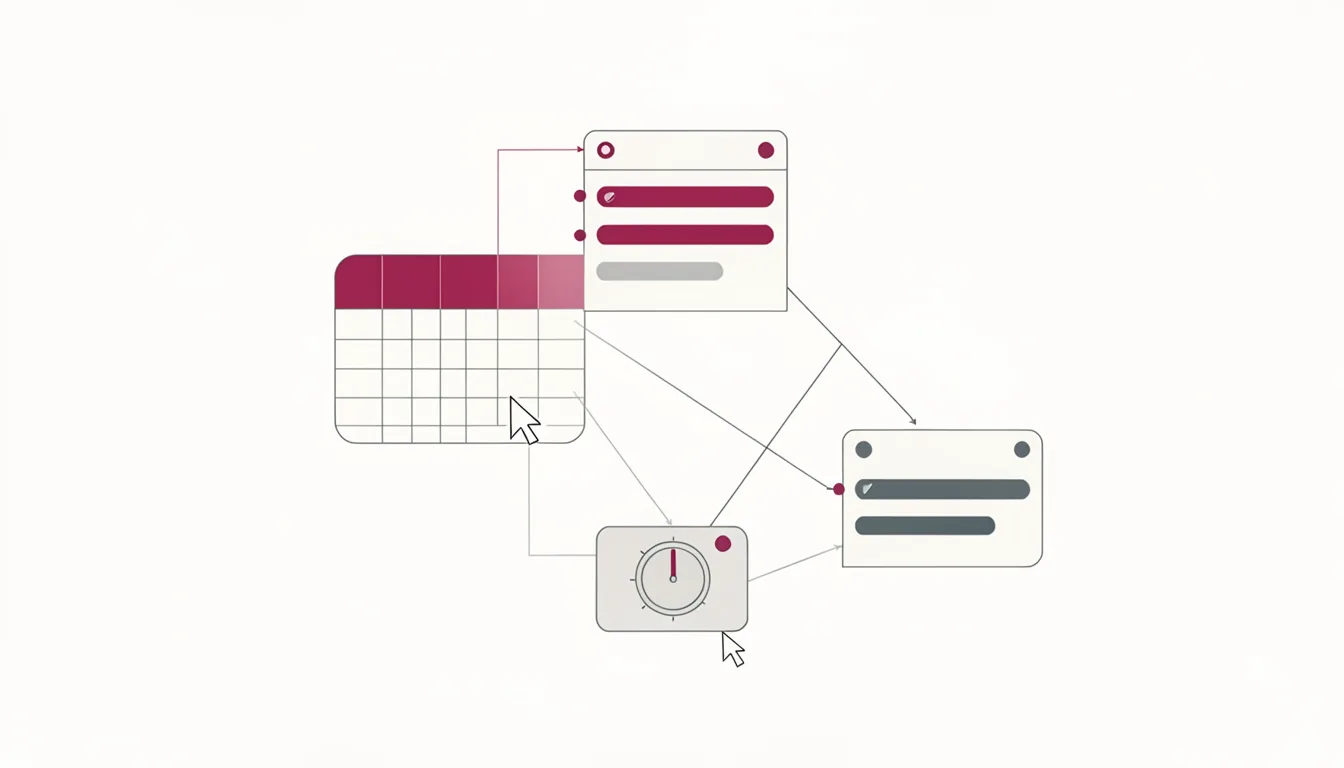
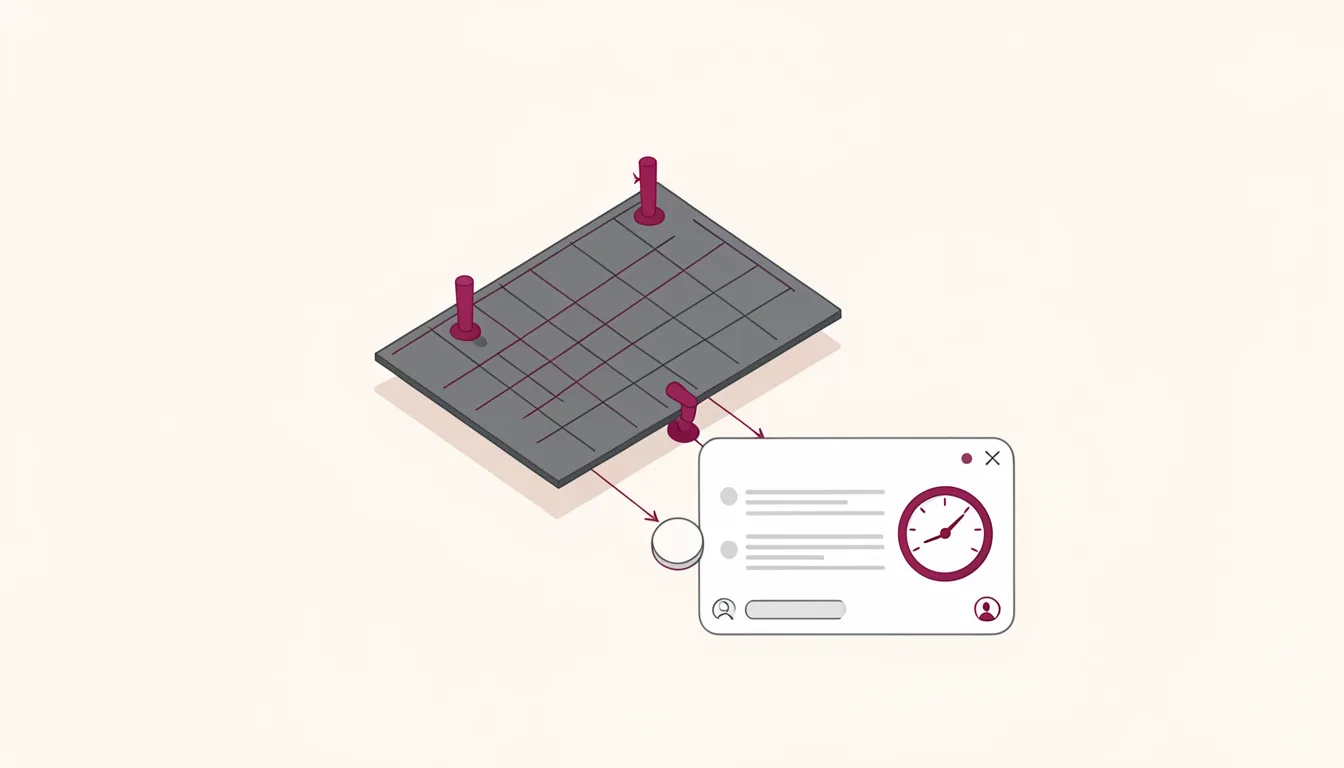
The fix is a structural check: the gate should survive a judge-swap test. Label product sessions, calibrate the judge on those labels, run a second-provider screen, and report the coverage loss before gating a release. The test turns a silent confidence score into a visible release artifact.
The judge-swap test is the redesign
Public preference data does not replace product labels. The Hugging Face dataset arena-human-preference-140k contains 136,000 rows in its train split. Your release gate still needs verdicts from the flows that carry user cost. The labeled set should be small enough to audit and large enough to catch the failure modes that matter to users.
- Label the sessions that matter. Pick user flows where a wrong answer has real user cost: a refund decision, a medical triage nudge, a code fix that could break a build. Write the rubric in product language, not model language. Keep the human verdict, the edge case, and the reason each case is labeled the way it is.
- Calibrate the primary judge on those sessions. Run the judge on the labeled set and compare its verdicts to the human labels. Do not ask for a single aggregate score. Ask where it disagrees, which rubric line it is misreading, and whether the disagreement is a style issue or a safety issue. The calibration report should name the failure modes and show agreement on your product's actual traffic, not a generic benchmark.
- Screen with another provider. Use a different provider as a check, not a replacement. Let the other judge flag sessions where the primary judge is likely unreliable, and keep the screen narrow enough that it does not become a second full eval. Pairing two low-cost judges from different providers to replicate a conclusion raised precision by 0.10 compared with a single judge, but the benefit came from excluding one poorly aligned judge. When the poorly aligned judge was included in the replication pair, a conclusion survived for only 35% of the system-pair comparisons.
- Report the coverage loss before you gate. A trustworthy gate says what it cannot see. If the other-provider screen rejects a slice of the release candidate, report that slice. Judges that were not well aligned with humans failed to converge on 26% to 70% of system pairs when tested with up to 100 verdicts per pair. The release note should say what was tested, what was excluded, and why the remaining evidence is enough.
Gate on the calibrated result, not the raw score. The release decision is defensible when it includes the primary judge's calibrated agreement, the other-provider dispute rate, and the coverage loss from the screen. If the screen removes too much of the candidate, fix the primary judge, expand the labeled sessions, or ship a smaller, safer change.