Design AI agents users trust: name modes, pause for plans, keep-or-skip diffs
Export a Runnable Eval Suite Before the Read-Only Date
Add Three Trace Checks So Users Trust Agents
UX Patterns
Design AI answers users can trust: use task-matched components and a density dial
A design checklist for AI answers: emit native components, match format to the task, and ship a user-controlled density dial.
Now trending
Latest

Design AI agents users trust: name modes, pause for plans, keep-or-skip diffs

Export a Runnable Eval Suite Before the Read-Only Date

Add Three Trace Checks So Users Trust Agents
Mistral Large 4 preview: evals, fallback, API or self-host

Ship AI edits users trust: five-part contract

Form, Conversation, Real-Time Feedback, or API: Choosing AI Product Surfaces
The Co-Pilot Era of Poker: The Best Player at the Table Is You, Graded in Real Time

Persistent AI Feature Design: One Identity, One Mention, One Continuation Rule
Evals
-
Export a Runnable Eval Suite Before the Read-Only Date
Treat the read-only date as the export deadline: a runnable suite needs a completed run and rebuilt graders.
-
Add Three Trace Checks So Users Trust Agents
Task completion alone will not earn trust, so add trace-level checks for unauthorized actions, false attribution, and deceptive completion before launch.
-
Fork-style evals for long-running AI agents
Stop trusting final task success. Mine real agent trajectories into fork cards that test the intermediate choices users will actually feel.
Launches
-
Design AI agents users trust: name modes, pause for plans, keep-or-skip diffs
Ship AI agents with named modes, plan approval, and keep-or-skip diffs so users can see what the system may touch and undo what it did.
-
Mistral Large 4 preview: evals, fallback, API or self-host
Use a discounted model preview to run product evals, design the user fallback, and gate self-hosting on license and cost, not weights.
-
Form, Conversation, Real-Time Feedback, or API: Choosing AI Product Surfaces
A four-question rule for choosing the right AI surface, from onboarding forms to live coaching and API primitives.
Trust & Safety
-
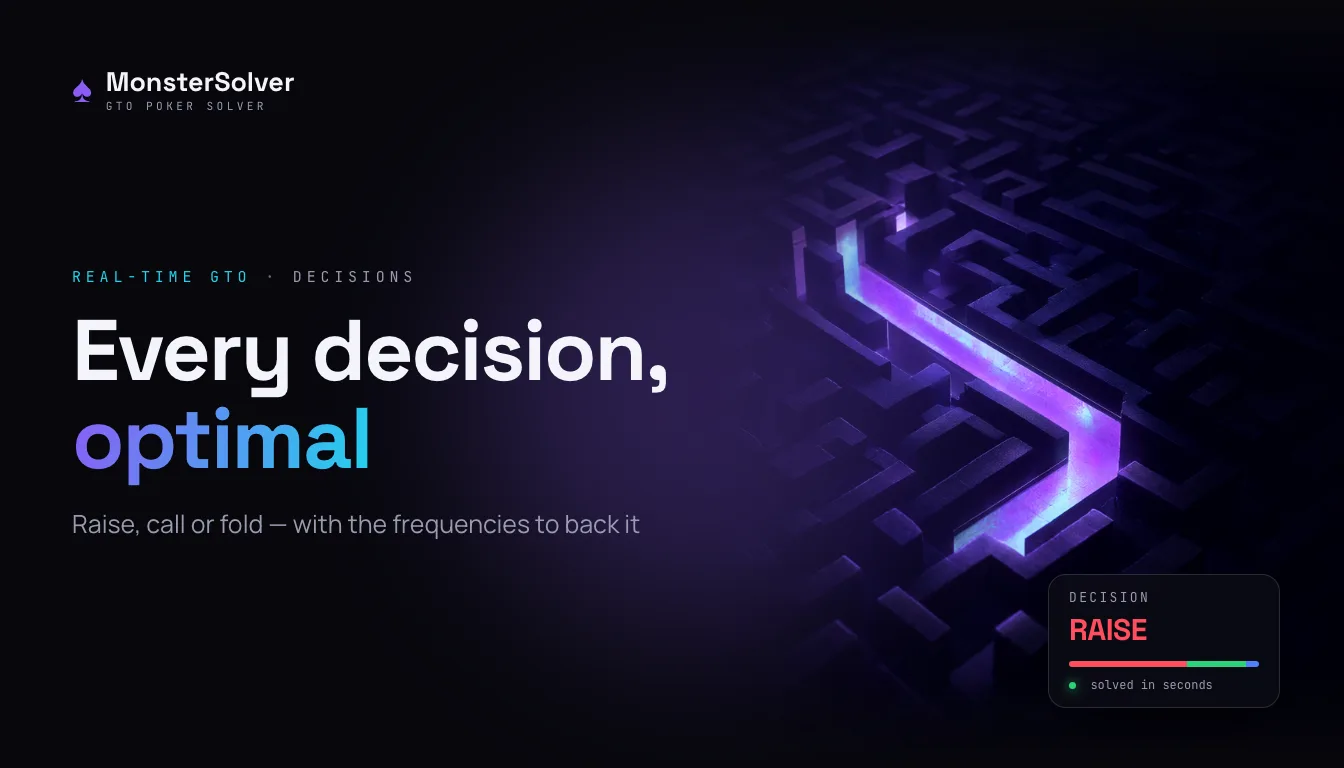
The Co-Pilot Era of Poker: The Best Player at the Table Is You, Graded in Real Time
Autopilot plays the game for you. Co-pilot plays with you — and tells you, in seconds, whether the line you chose was the right one. Poker just got its co-pilot. Here's what the human-plus-machine team looks like, and why the human still has to be the one driving.
-
Web-reading AI: a three-point contract for blocked pages
When a page refuses your reader, the answer should say what it missed, why, and what source it tried next.
-
Run the companion chatbot child-safety gap-check before your next release
A release checklist for companion AI that turns child-safety promises into testable product architecture.
UX Patterns
-
Design AI answers users can trust: use task-matched components and a density dial
A design checklist for AI answers: emit native components, match format to the task, and ship a user-controlled density dial.
-
Ship AI edits users trust: five-part contract
A trustworthy AI editor is a host-app contract: scope the read, ask by default, name the always-ask actions, stop irreversible actions, and make undo native.
-
Persistent AI Feature Design: One Identity, One Mention, One Continuation Rule
A persistent AI teammate earns trust when it has one identity, one mention surface, one continuation rule, and visible permissions.
Don't miss
Advertisement
The latest