
Design AI answers users can trust: use task-matched components and a density dial
A design checklist for AI answers: emit native components, match format to the task, and ship a user-controlled density dial.
A design checklist for AI answers: emit native components, match format to the task, and ship a user-controlled density dial.

A trustworthy AI editor is a host-app contract: scope the read, ask by default, name the always-ask actions, stop irreversible actions, and make undo native.

A persistent AI teammate earns trust when it has one identity, one mention surface, one continuation rule, and visible permissions.

A persistent agent is easier to trust when its state, reach, and starting reasons are visible before the user has to ask.

A trustworthy multi-agent surface treats the top-level conversation as the manager, names each thread as a work unit, and makes memory, conflicts, effort, and usage visible.

A merged chat, agent, and generation surface earns trust only when it names the active mode, explains the choice, shows progress, and lets users override it.

Treat AI output as a compute budget: preview cost, reset in 5 hours, and let heavy outputs wait with a ready alert.

A trustworthy voice agent acknowledges the request, narrates only meaningful progress, and closes with a completion state users can act on.

A trustworthy data agent should answer only what the connected user can see and only in the team's defined metrics.
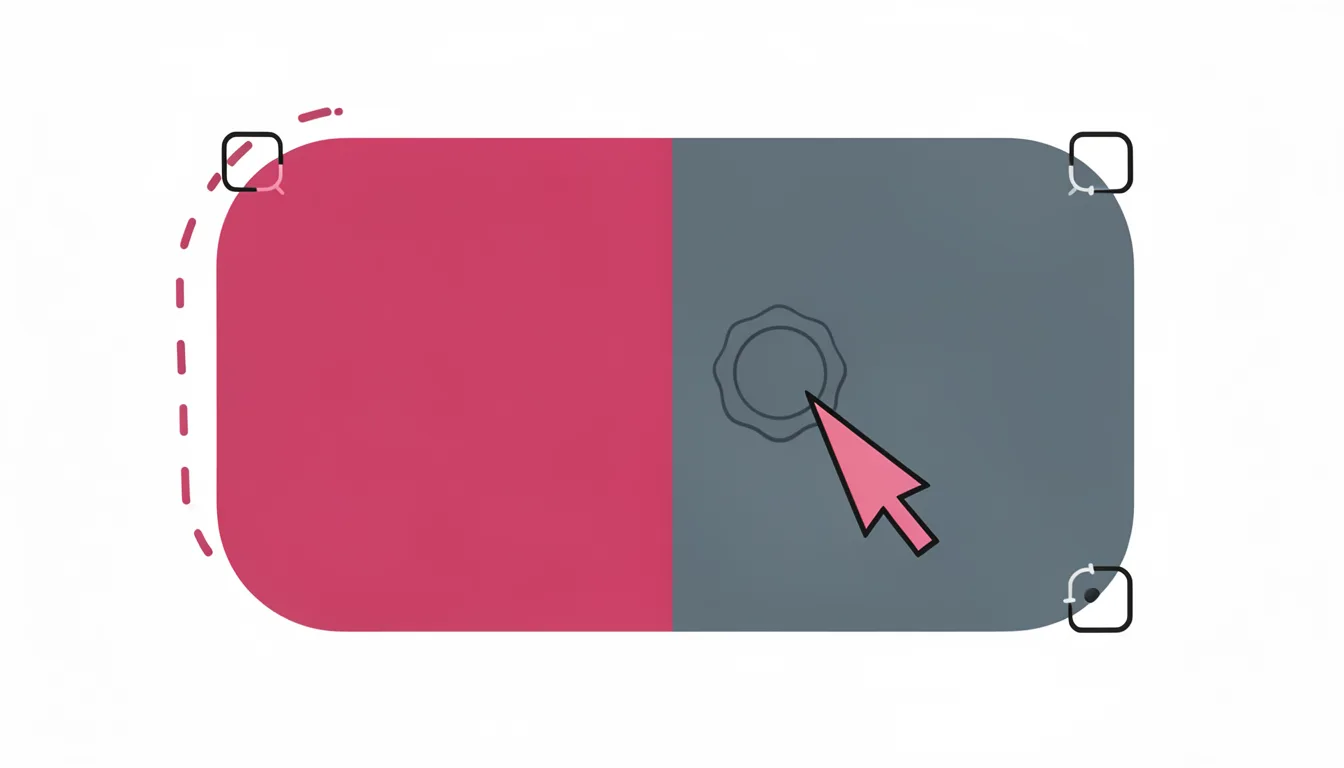
A trustworthy voice input makes the transcription contract explicit: choose verbatim or smart, separate interim guesses from final text, and say when the transcript becomes authoritative.

A trustworthy full-duplex voice interface makes ownership explicit: the voice layer owns turn-taking, interruptions, and continuity, while the backend owns reasoning and tool calls.

When AI touches authoritative data, default to read-only access, cite the source record, and keep the feature inside the user’s existing workflow.

A checklist for accessible AI states: streaming, citations, voice, captions, alt text, and errors, with screen-reader announcements and recovery paths.
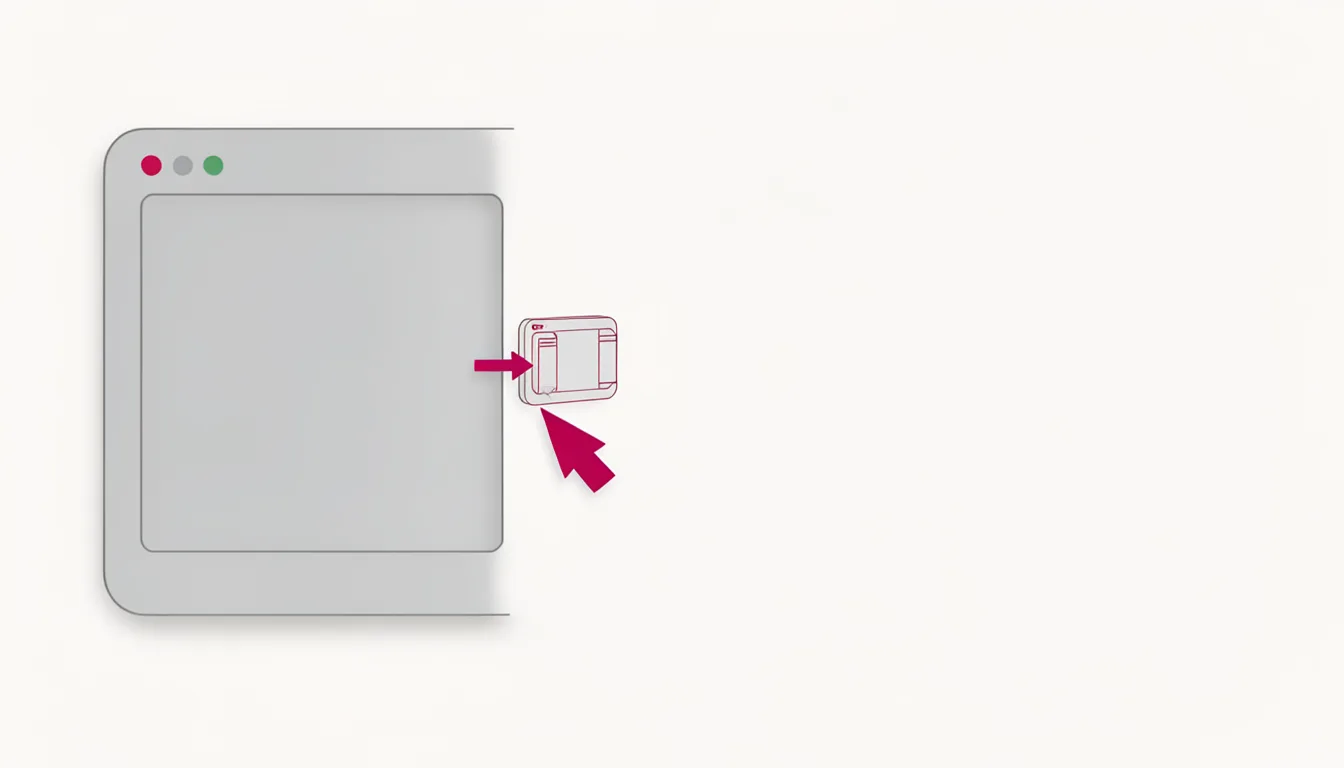
Reduce approvals, clarify risky actions, and reserve human judgment for the moments where a mistake is hard to undo.

Build AI memory settings users can audit: inventory stored memories, explain recall, scope where they apply, and offer edit, delete, or pause controls.
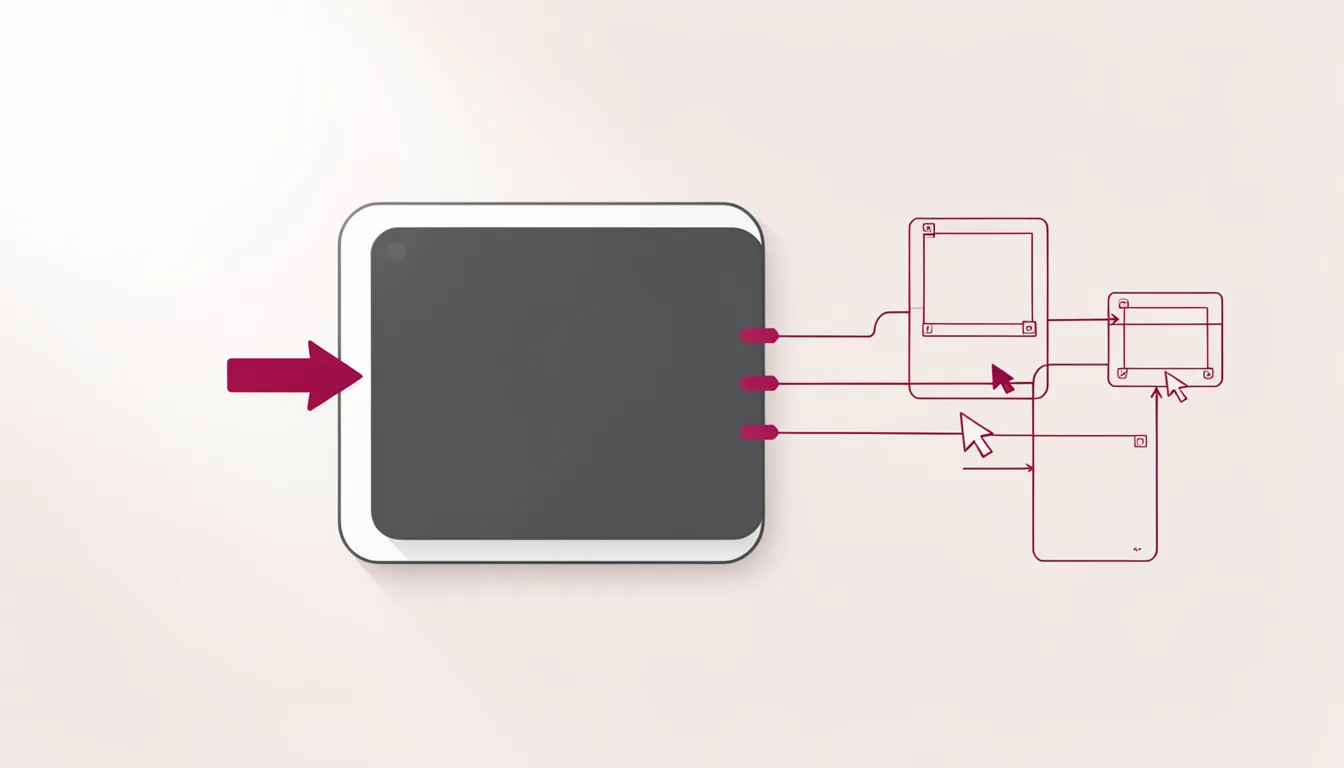
A model picker earns trust when the default is safe, alternatives are task-scoped, labels explain capability, and release notes set expectations.

A streaming trust checklist for the first visible moment: fast first token, stable layout, named stage, stop control, and citations as they render.

Design AI recommendation UI that earns trust: show the reason, ranked alternatives, calibrated confidence, and a correction control.

Expose context costs, default to cheap deterministic steps, and make savings legible: a token-budget pattern for AI coding tools.

A trustworthy assistant should answer a release-date question with a date-state, a source, and a next action, not a confident guess.
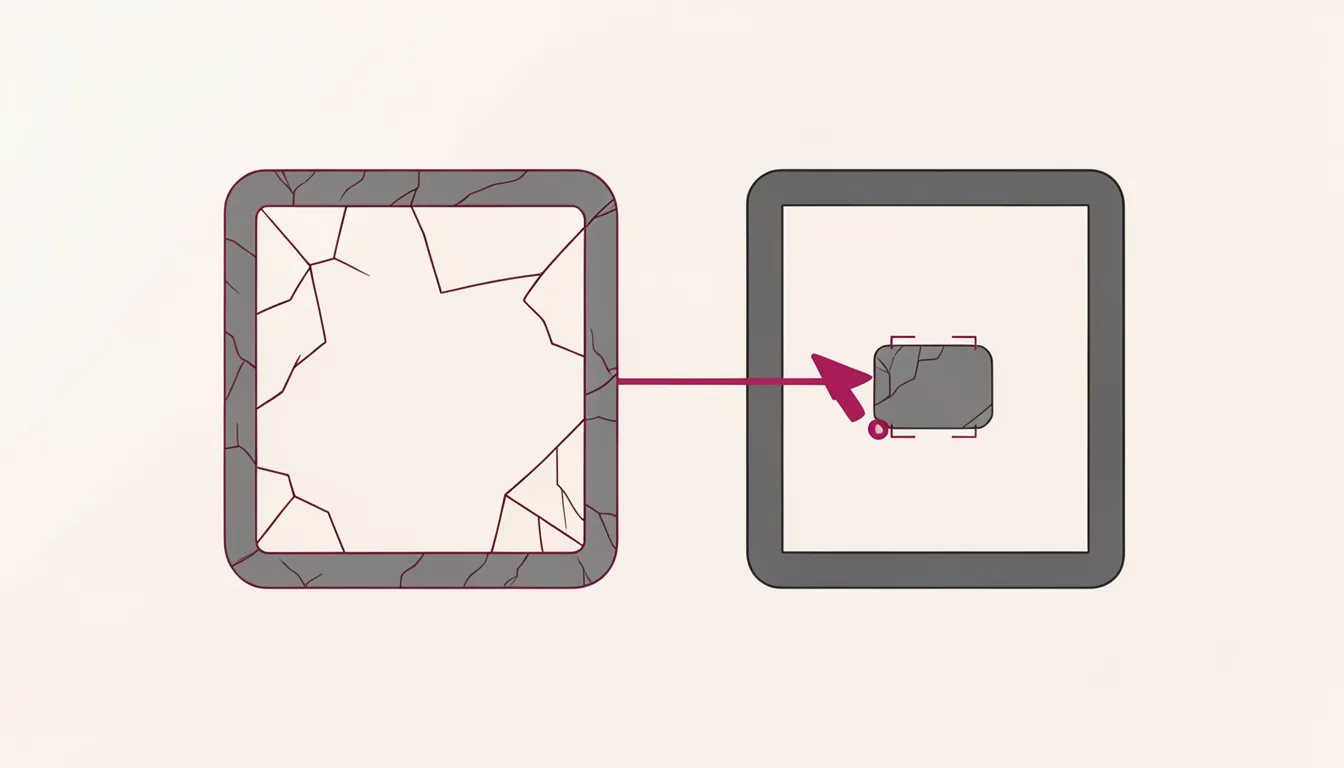
A clear degraded-service contract tells users what is broken, what still works, and what to do next.
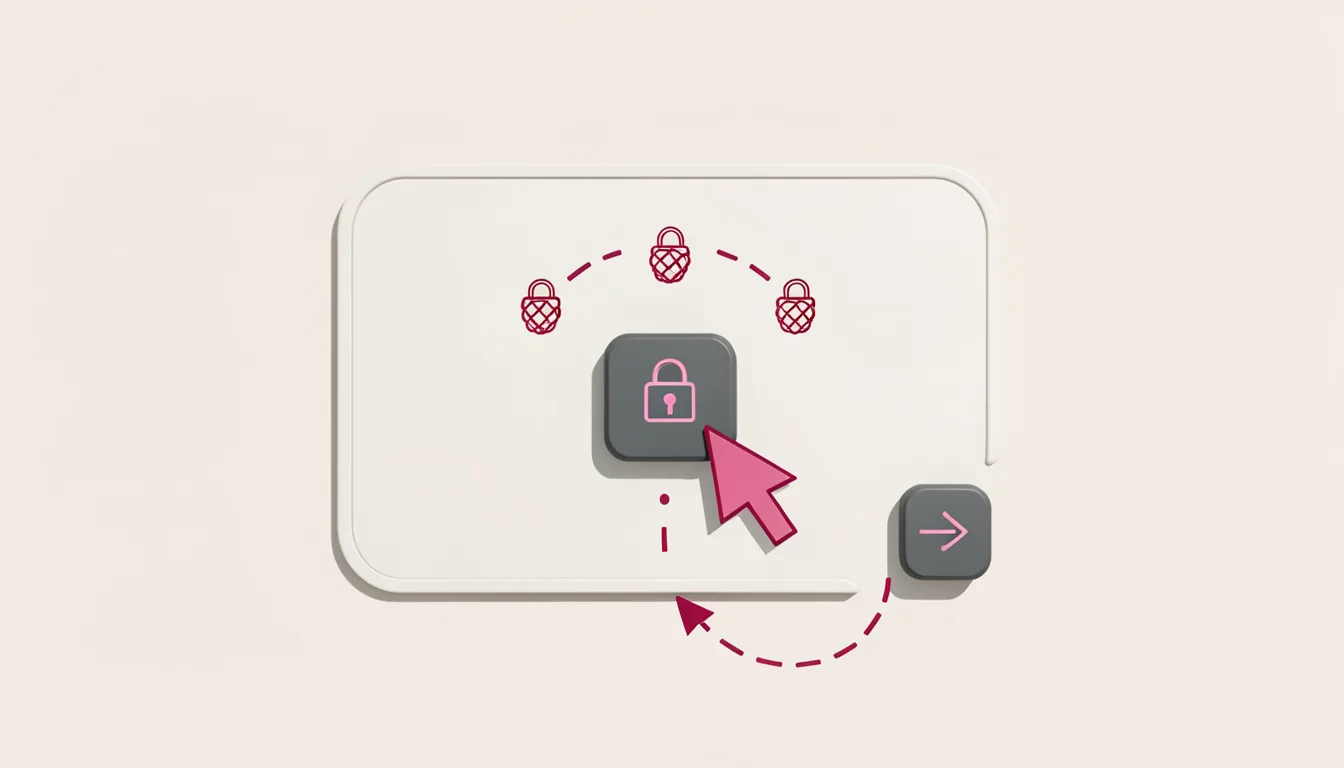
Stop stacking warnings by building risk-tiered confirmations that show what an agent will do, why, how to undo it, and when a human should take over.