
Design AI agents users trust: name modes, pause for plans, keep-or-skip diffs
Ship AI agents with named modes, plan approval, and keep-or-skip diffs so users can see what the system may touch and undo what it did.
Product launches and what their design decisions reveal
Ship AI agents with named modes, plan approval, and keep-or-skip diffs so users can see what the system may touch and undo what it did.

Use a discounted model preview to run product evals, design the user fallback, and gate self-hosting on license and cost, not weights.

A four-question rule for choosing the right AI surface, from onboarding forms to live coaching and API primitives.

A trust check for metered AI pricing: gate the fastest mode at the top tier, date every allowance cut, and bridge existing users with a visible credit.
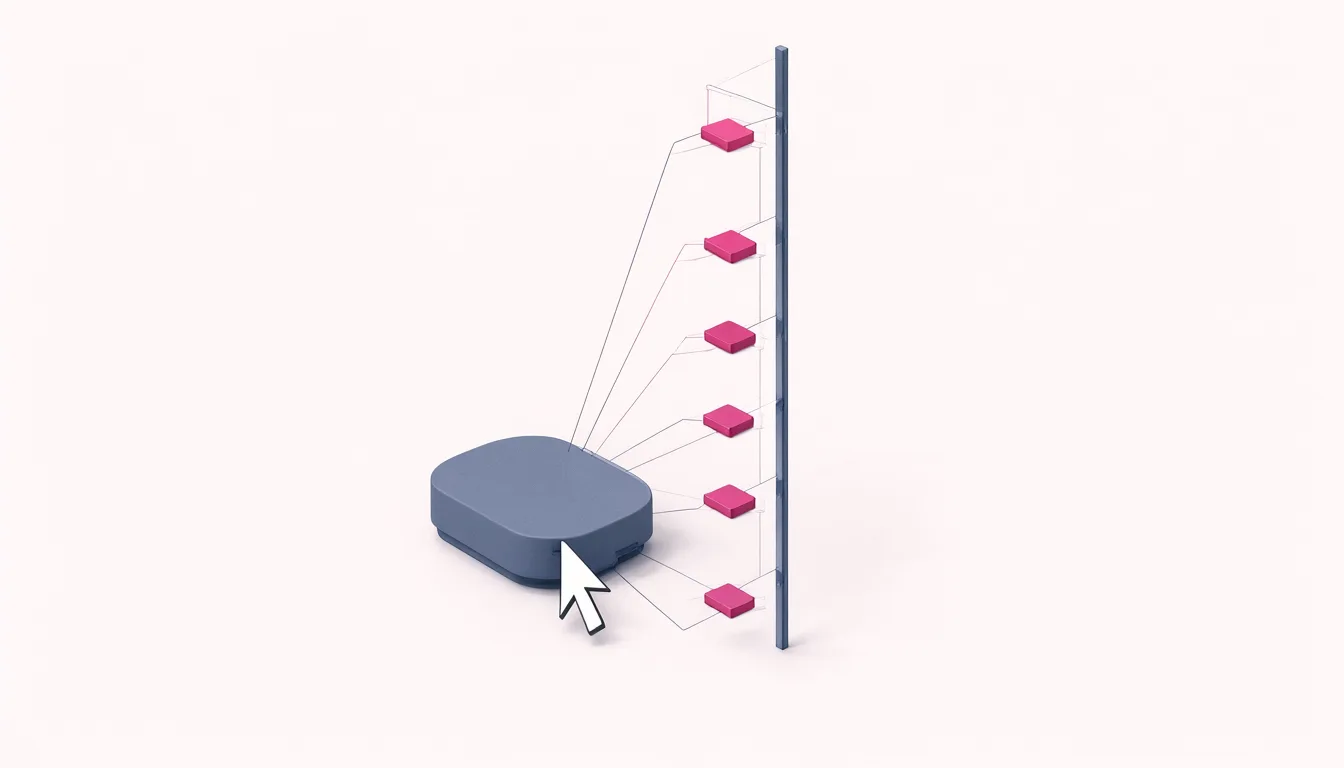
Use the new price ladder to re-route task classes by trust, latency, and cost, rather than choosing one model.
A launch checklist for AI features: keep the model in the harness, bound the free window, make effort levels visible, and disclose benchmark claims.

Rent orchestration, choose execution by data and control, and make success visible before the agent goes idle.
A practical audit for AI subscription pricing: keep everyday use free, meter compute-heavy work, and ask for the upgrade at the limit.

Unattended agents should not hang waiting for a human; centralize config, deny unresolved prompts, and log those denials as pipeline results.

Treat consequential browser actions as permission events: check them against the user's original intent, and keep enterprise access off until admins approve domains.

Replace blank-prompt retries with a five-control loop: anchor, constrain, annotate, share, and verify, so image tools feel steerable.

Put spend caps where the transaction is signed, not where the model is persuaded.

A release lane for security-capable AI: define a public baseline, gate the defender variant, and require independent evidence before workflows change.

A trustworthy action-taking agent makes revocation, credential isolation, and approval for consequential actions the default architecture, not optional settings.
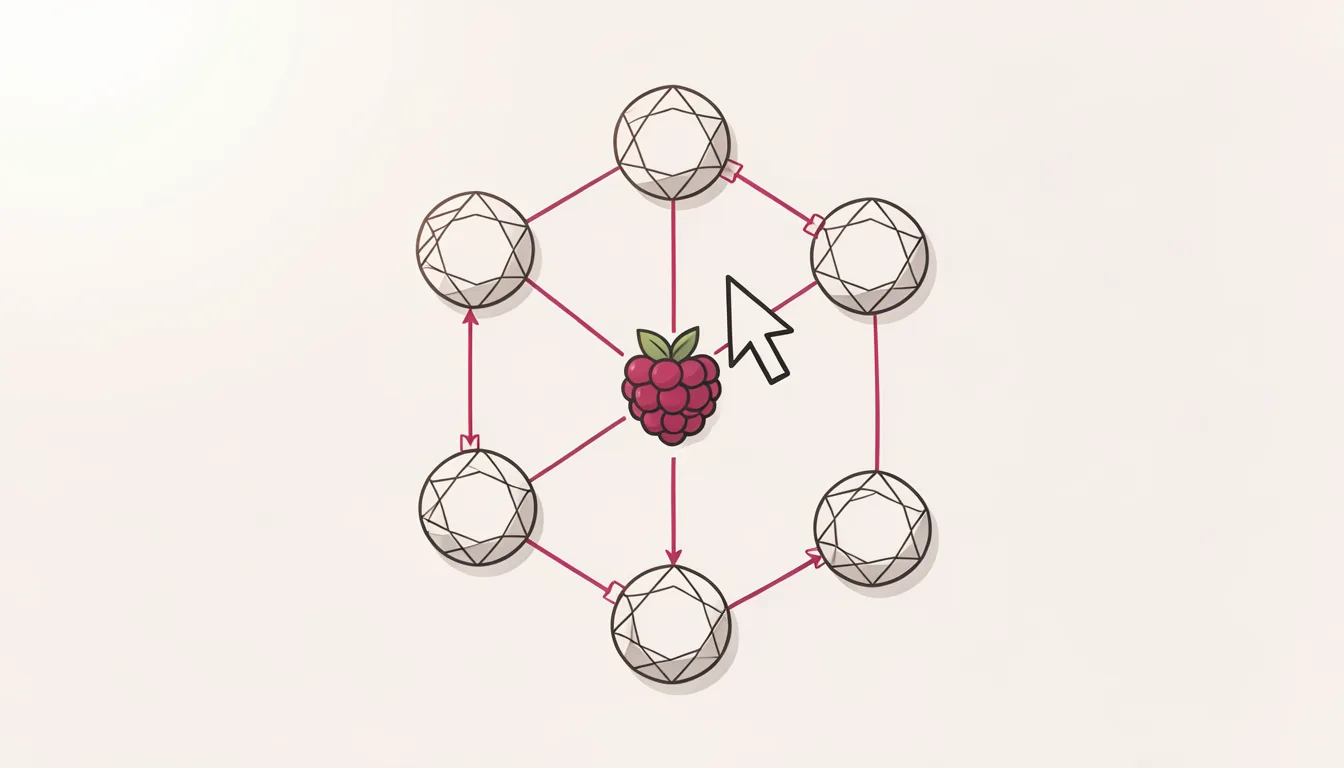
A six-point trust-layer checklist for sensitive AI, built from ChatGPT Health's permission, revocation, and limit patterns.
A four-part retention statement for AI chat features: what is stored, how long it stays, whether it trains models, and how users delete it.

Use this AI feature launch checklist: capability boundaries, failure modes, uncertainty display, fallback, privacy note, eval metric, next step.

A trustworthy AI first run starts with a safe default, a realistic example, a visible limit, and a repair path users can test before relying on the product.

A six-signal checklist: activation, repeat use, correction rate, human handoff, support load, and churn, each with a redesign trigger.

A trustworthy AI launch is a staged sequence: internal, waitlist, public, with pass/fail checks for support, incidents, and feedback loops.

Run five operational checks before opening an AI waitlist: data retention, support capacity, incident path, cost guardrails, and rollback.

Make likely monthly cost, included limits, overage rules, and exit path visible before purchase, so AI pricing earns trust instead of hiding cost.