
Export a Runnable Eval Suite Before the Read-Only Date
Treat the read-only date as the export deadline: a runnable suite needs a completed run and rebuilt graders.
Treat the read-only date as the export deadline: a runnable suite needs a completed run and rebuilt graders.

Task completion alone will not earn trust, so add trace-level checks for unauthorized actions, false attribution, and deceptive completion before launch.

Stop trusting final task success. Mine real agent trajectories into fork cards that test the intermediate choices users will actually feel.

Audit your AI evals for hidden answers, broken tasks, and grader drift before you use a pass rate as a ship signal.

Zero guardrail-violating tasks, split completion from clean completion, and put cost per task on the same card before you choose a model.

Audit agent evals for business understanding, operational execution, and learning persistence; releases survive new cases, elapsed time, and rule changes.

Grade the finished agent on unseen end-to-end tasks, then audit the build for shallow research, too few client questions, and unhandled constraints.

Record index version, model version, date, score, and test-mix changes so comparisons stay comparable when the benchmark ruler changes.

Treat model versions like code changes: diff behavior, classify the delta, and gate promotion on user-visible regressions.
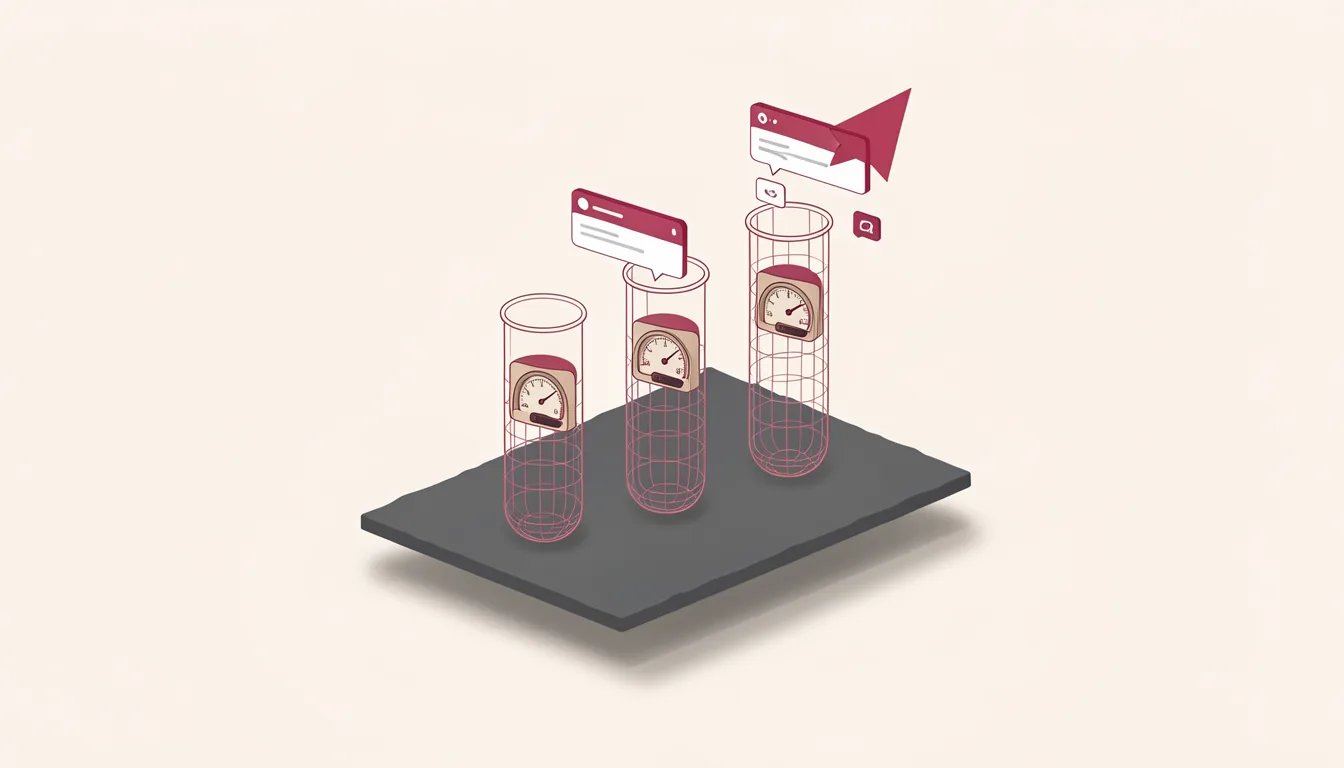
Build a small, product-shaped eval suite that separates model changes from prompt changes before users feel the difference.

Treat broken tools as test fixtures, replay golden traces, and block merges when recovery behavior fails.

A five-point gate for agent pull requests: provenance, diff scope, regression coverage, format stability, and divergence accounting before merge.

When an agent's value depends on the path it takes, output-only checks can miss the exact rule violation that erodes user trust.

A specialist judge can make full-conversation evaluation cheaper than frontier LLM-as-judge sampling, if the error taxonomy matches your trust failures.

Treat prompt edits as code changes: version the cases, score each task, and block merges when a small suite shows a regression.

A better prompt will not make structured output safe; use four gates: schema validity, field-level accuracy, confidence calibration, and a fallback that keeps users out of trouble.

A trustworthy RAG answer shows its evidence, stays faithful to it, cites the exact claim, and refuses when the evidence is missing.

Use resolved-without-escalation, safe handoff, factual accuracy, and cost per ticket to decide when an AI support agent can take more traffic.

A trustworthy prediction feature treats odds as calibrated probabilities, proves them with backtests, explains the basis, and limits gambling harm.
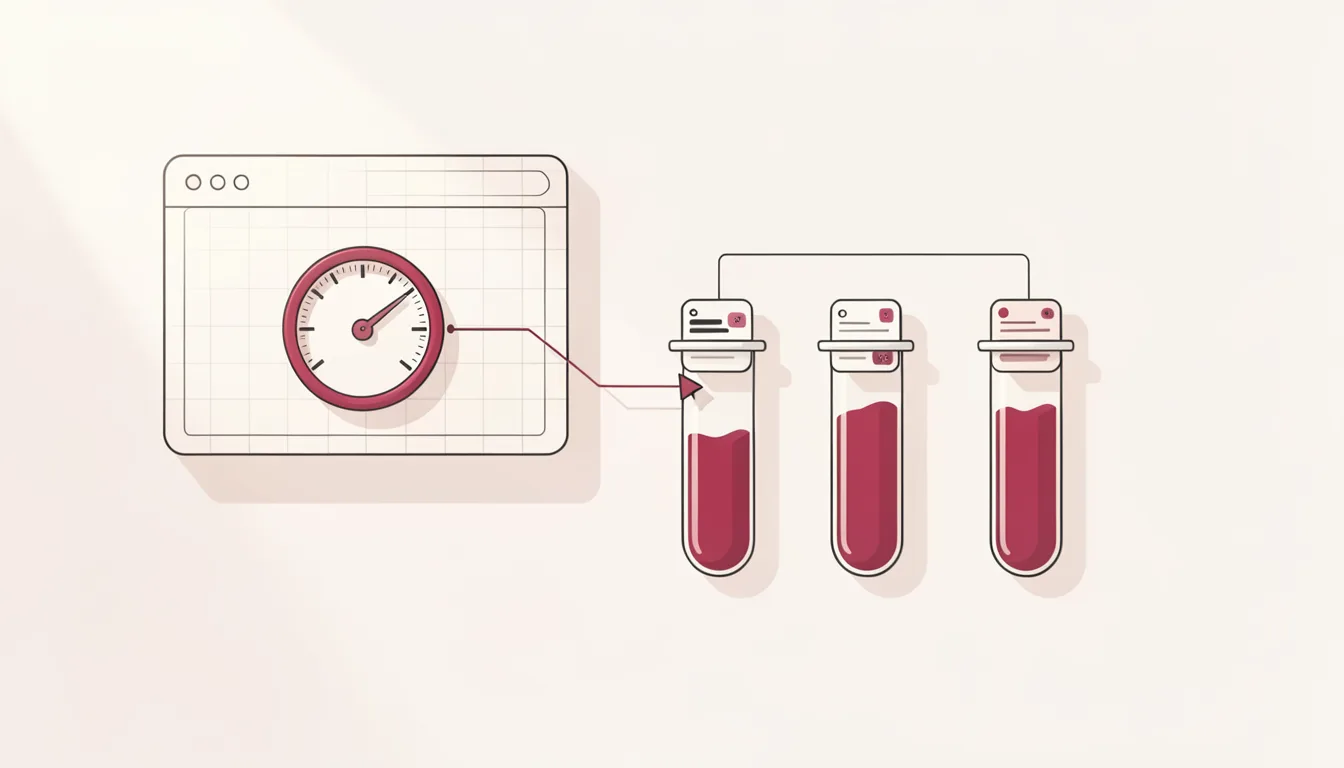
A consumer health chatbot should treat an acute-infection question as a safety event, not a symptom checker.

A fast training claim is not a product; it is a hypothesis. Run workflow-level evals before users meet the model.

Treat agent evals as a design system: instrument sessions, score task success, safety, cost, latency, and feedback, then gate releases before users meet regressions.