Ship model updates without breaking trust
Treat model versions like code changes: diff behavior, classify the delta, and gate promotion on user-visible regressions.
| By | Prompt & Product — Newsroom |
|---|---|
| Filed | 14 September 2026 |
| Read | 3 MIN |
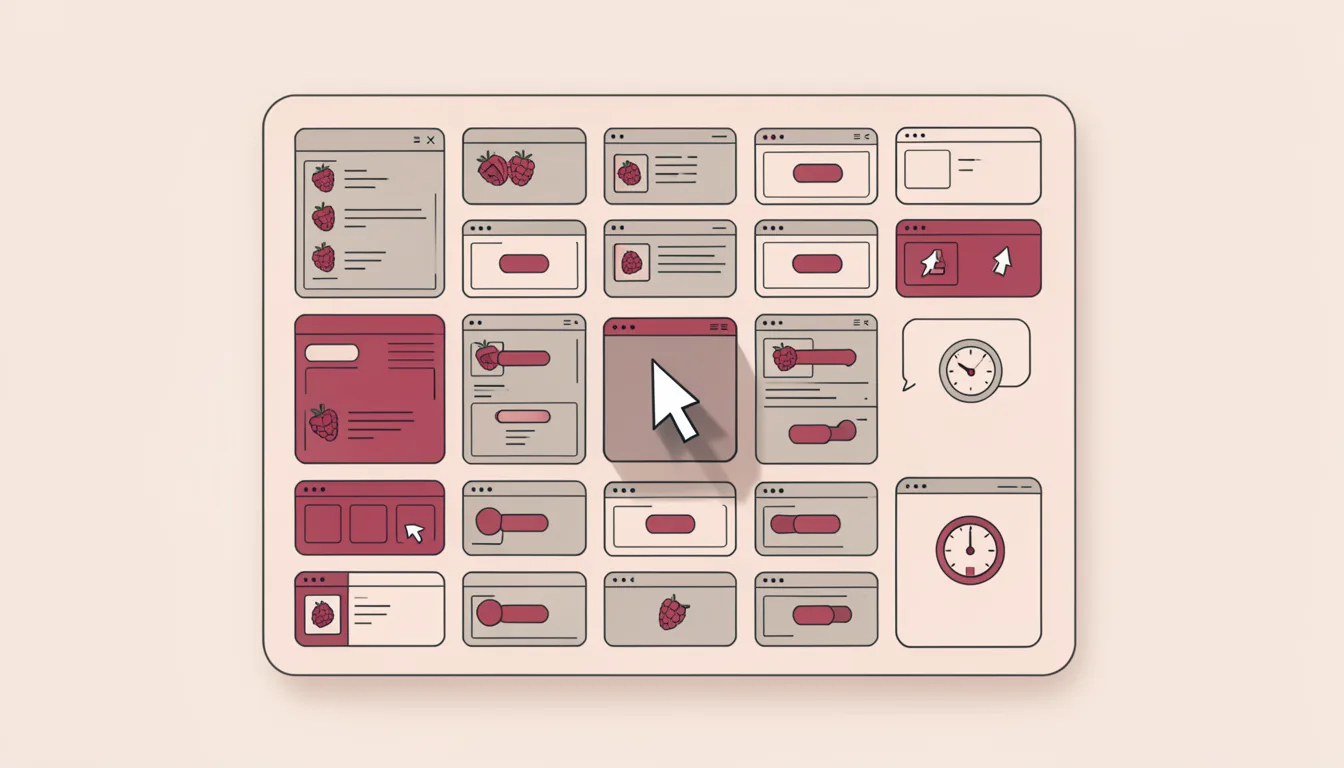
You are about to promote a new model version, and the release notes say it is faster, cheaper, or better. The user may see a different answer, a different refusal, or a different tone.
Model behavior is unstable even within a version: in one coding-task study, 60% to 70% of results lacked identical test outputs across separate LLM requests. The visible product can change in ways no dashboard flags. The gate turns a vague release note into a reviewable artifact that a product designer can inspect before promotion. The fix is a prompt suite, an old/new output diff, severity classes, and a promote/block rule.
Diff behavior before you promote
Code teams already have a practice for this. Git, a version-control tool, provides a git diff command for comparing commits, the working tree, and other repository endpoints. A Git diff result can be written to a file for later reuse. The same idea works for AI features, and the artifact is a side-by-side record of what the old model said and what the new model says on the same prompts.
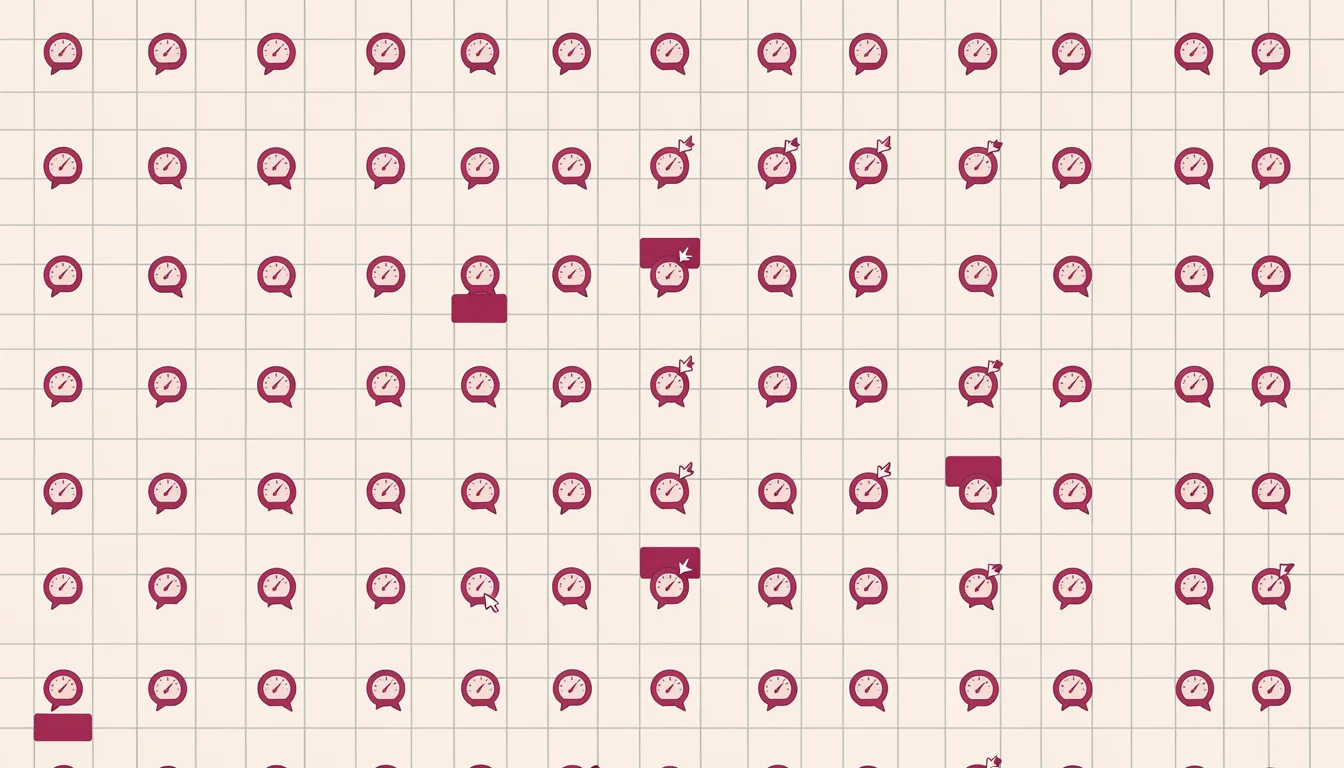
Build the prompt suite from the jobs users actually ask the product to do. Include happy paths, edge cases, refusals, long context, and the prompts that previously caused complaints. Run the same suite against the current model and the candidate model. Keep the outputs, timestamps, and prompt IDs so the diff can be audited later.
Do not run the full benchmark just to ship. Conventional LLM evaluation suites can cost thousands of GPU hours to run. A behavioral diff gate should be small enough to run on every candidate version and strict enough to catch the changes users will notice. It should target the behaviors that would damage user trust if they changed.
Classify severity before arguing about outputs
Not every difference matters. Some deltas are harmless wording, some are new refusals, some are safer answers, and some are broken instructions. Severity classes need to exist before a single output can stall the release.
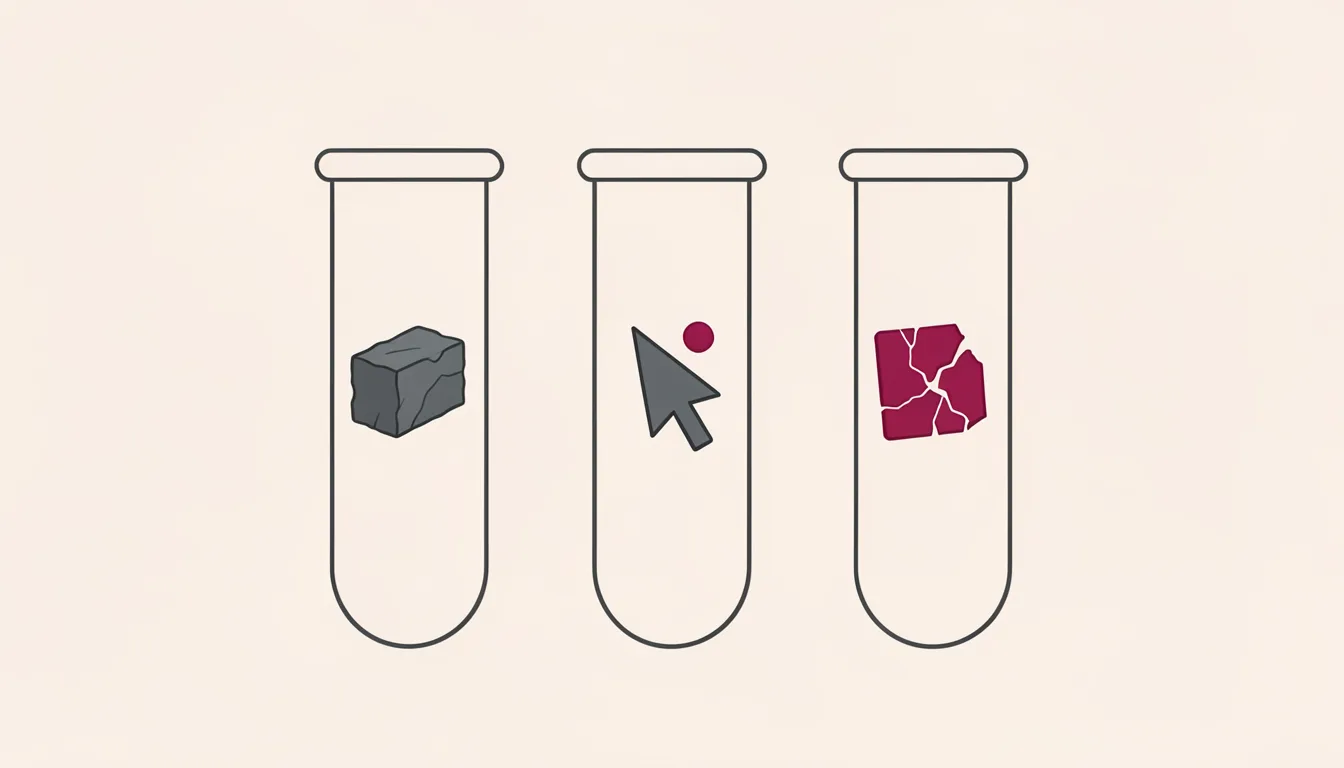
Use named classes. Cosmetic covers wording, formatting, or length changes that do not change the user's task outcome. Functional covers answers that still work but take more steps, lose a field, or change structure. Safety covers refusal, policy, privacy, or harmful-content behavior. Broken covers features that no longer complete the task, return nonsense, or violate a product contract.
Between versions, the movement can be larger. GPT-3.5 and GPT-4 showed meaningful shifts in task results and behavior between releases that were several months apart. If your product depends on a model's phrasing, refusal boundary, or tool-calling style, that shift belongs in the design review.
Promote only when the delta is explainable
A promote decision should require a written explanation for every non-cosmetic delta. The explanation names the user affected, the task changed, and the reason the change is acceptable. If the team cannot say that, the model is not ready for the default experience.
Anthropic's July 24, 2026 announcement said Opus 5 was priced the same as 4.8 and was the new default on Claude Max. A default change like that is a product decision, not just an infrastructure update. The team should answer what users will see before the switch happens.
The proposed LLM-change monitoring approach was tested on five OpenAI completion models plus Meta's Llama 3 70B chat model. That kind of cross-model check matters because teams rarely swap only one model family. It should work across vendors, sizes, and chat versus completion styles.
Run the gate in the promotion pipeline if you can. It should be the last check before a model becomes the default. The candidate model version should fail when a broken or safety delta appears. Functional deltas can pass with a review note. Cosmetic deltas can pass automatically.
The checklist below is the minimum gate. Each item should be checkable in a minute, because a slow gate stops getting used.
- The prompt suite includes the core user jobs and the recent support complaints.
- Old and new outputs are saved with prompt IDs and timestamps.
- Every non-cosmetic delta has a severity class.
- Safety deltas are blocked unless a named owner signs off.
- Broken deltas fail the pipeline.
- The promote note names the user-visible change and the reason it is acceptable.