Ship AI wearables people can read: a visible-state design spec for capture, processing, and data use
AI wearables earn trust when capture, processing, and data use are visible states, not a single LED or a vague privacy promise.
| By | Prompt & Product — Newsroom |
|---|---|
| Filed | 7 September 2026 |
| Read | 4 MIN |
The LED is not a consent system
A wearable that can see the street should not ask bystanders to infer consent from a blink. The common answer is a small light: on when recording, off when not. That is a design failure.
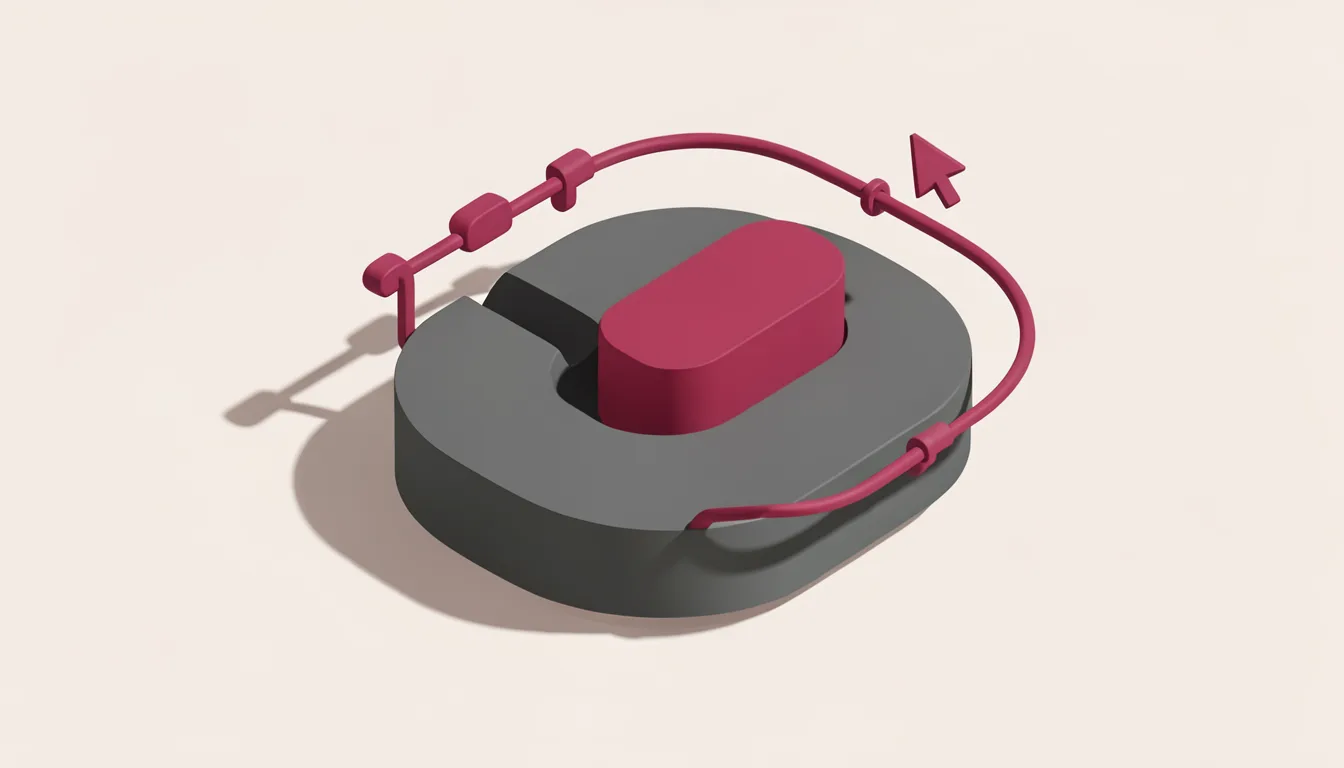
The hinge is a covered sensor. Some users have bypassed the visible recording indicator by covering the sensor after starting a recording. Meta’s AI smart glasses use a visible white light sensor to signal when the wearer is taking a photo or video. The cue fails the moment it is hidden. Meta says an update will make the capture LED more reliable and stop the camera if the light is covered while recording. The legal notice follows: an Indian legal notice argues the glasses’ recording indicator is inadequate and easily overlooked by bystanders. The consequence is no longer hypothetical: the footage was subsequently posted on Instagram and viewed more than 4.19 lakh times. Around nine million Meta smart glasses are already in use and capturing or processing content.
A visible state must be hard to defeat, easy to read, and tied to a clear consequence. If the indicator can be covered, the system has not made capture legible; it has made capture contestable. If the bystander must lean in, squint, or remember a tutorial, the signal is too weak. If the wearer can keep recording after the light is hidden, the product has turned a privacy cue into a user preference.
Make the state, not the promise, the interface
Trust in ambient AI is built in the moment before data leaves the device. A user may accept a wearable because it helps them remember, translate, or navigate. A bystander may not. The product must show three states without a settings page: capture, processing, and data use. Each state is made visible to the person affected, not only to the owner.
Capture is the easiest to design and the hardest to defend. The indicator is visible from multiple angles, not just the wearer’s line of sight. It is distinct from decorative lighting, status lights, and camera focus rings. It remains on for the entire recording window, including buffering, preview, and post-capture processing. It cannot be disabled without a deliberate, reversible, and logged action. If the sensor is covered, the system stops capture, not merely warns the wearer.
Processing is where many products become vague. On-device is not enough if the model can send frames to a server. Cloud-assisted is not enough if the user cannot see what left the device. The interface shows where processing happens and what kind of data is used: frame, transcript, location tag, voice sample, or derived embedding. If processing is temporary, the interface says so. If it is stored, the interface says where. If it is used to improve models, the interface says what that means and how to opt out.
Data use is the state most often hidden behind a policy page. A wearable exposes destination, retention, sharing, and deletion in a form a person can read in a hallway, not in a legal appendix. Short-term storage is a design decision. Third-party sharing is a design decision. Deletion when the clip is deleted is a design decision. The product makes those decisions visible at the point of capture, not after the user has already lost control.
A visible-state legibility checklist
Use this as a pre-release gate. If a feature cannot pass these five checks, it is not ready for public streets.
- Capture: Provide an unambiguous, hard-to-defeat indicator visible to both wearer and bystanders. The indicator is physically coupled to the sensor, not a software overlay that can be hidden by a finger, a sticker, or a firmware setting.
- Processing: Show where and how data is being processed. If processing moves from device to network, make that transition visible. If processing uses biometric, location, or audio data, label it plainly.
- Data use: Show destination, retention, sharing, and deletion. The user can see what was captured, where it went, how long it will remain, who can access it, and how to remove it.
- Failure: Define behavior when sensors are covered, network drops, or consent is unclear. The default is the least invasive state: stop capture, pause processing, or hold data locally until the user confirms the next step.
- Bystander: Provide a social signal and a clear opt-out path. The bystander can recognize that capture is happening and has a practical way to ask for deletion, block capture, or trigger a stop state without needing the wearer’s cooperation.
This checklist is not a substitute for consent law, platform policy, or local regulation. It is the design layer that makes those systems usable. A wearable can be useful and still be invasive. The difference is whether the person being recorded can read the product’s state without being an expert, without a manual, and without trusting the wearer’s word.
Redesign the moment, not the marketing
The redesign starts with the smallest visible unit: the capture state. Put the indicator where the camera is, not where the brand logo is. Make it bright enough for daylight, distinct enough for distance, and persistent enough not to be mistaken for a notification. Then extend the same logic to processing and data use. If the device is listening, show it. If it is uploading, show it. If it is storing, show it. If it is sharing, show it.
Do not hide intelligence behind a single LED. Do not replace a visible state with a vague promise of privacy. The product is readable when the blink is legible to the person it affects, not just to the person who bought it. The verdict on its public readability is: if the blink cannot be read on streets, in offices, and in private rooms, the product is not ready to become normal.